


Reuben
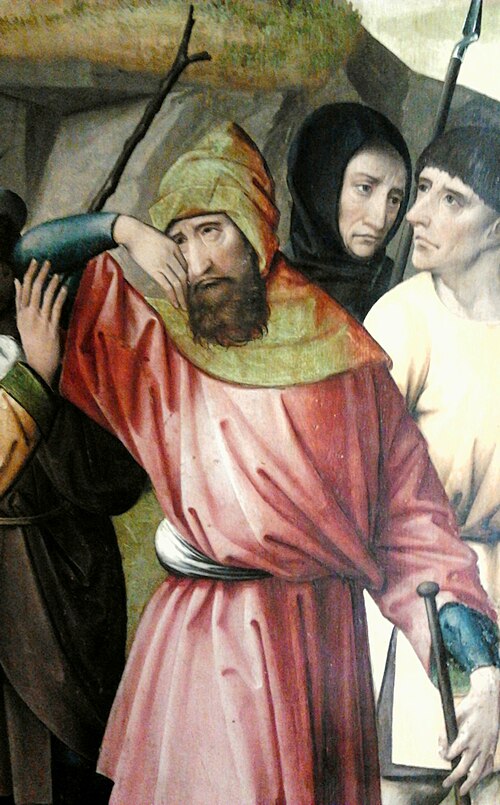
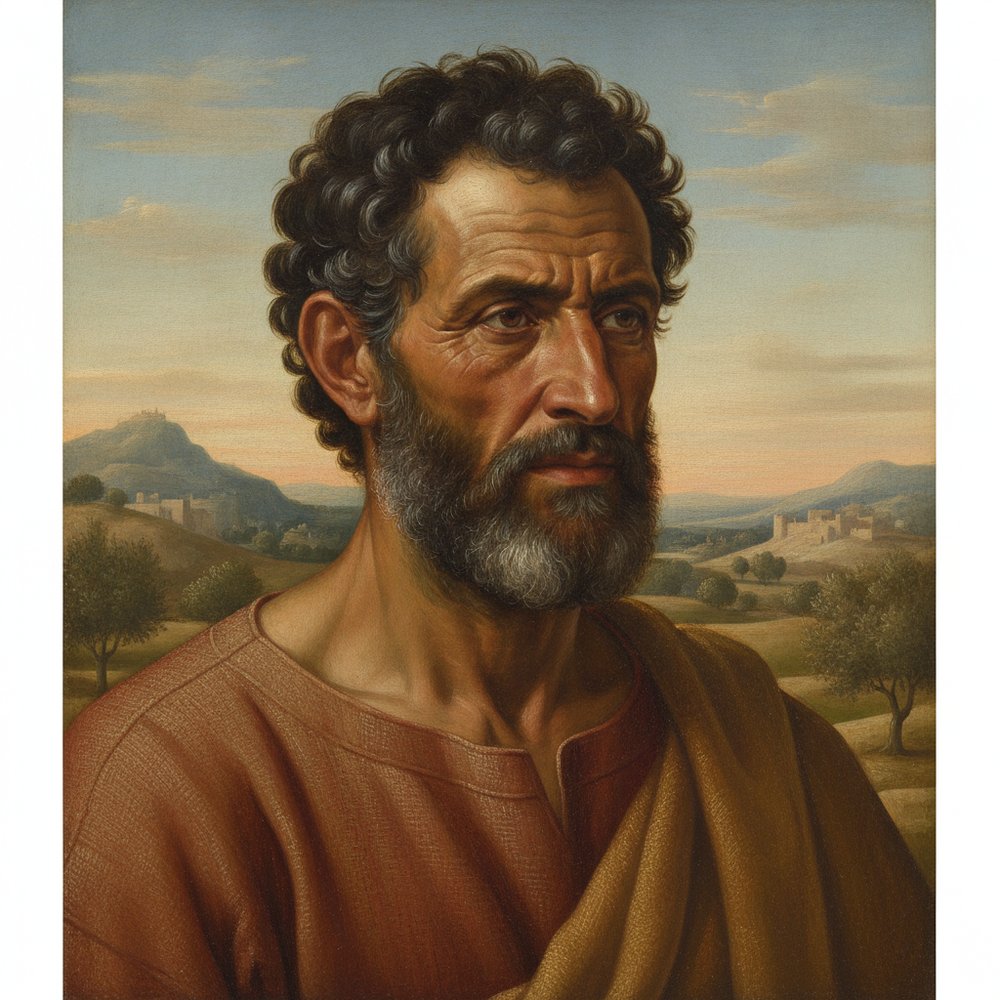
The firstborn son of Jacob and Leah, and founder of the tribe of Reuben. He found mandrakes for his mother in the field, and later slept with his father's concubine Bilhah — an act that cost him his birthright, which passed to Joseph's sons. His better moments came in the Joseph story: he urged his brothers not to kill Joseph but to throw him into a pit, meaning to rescue him later, and returned in anguish to find him gone. Jacob's blessing names him 'unstable as water', and the tribe settled east of the Jordan and never rose to leadership.
What we know — and how we know it
Where in scripture
GenesisExodusNumbersDeuteronomyJoshuaJudges2 Kings1 ChroniclesEzekielRevelationLeah conceived, and bore a son, and she named him Reuben. For she said, “Because Yahweh has looked at my affliction; for now my husband will love me.”
Genesis 29:32
Reuben went in the days of wheat harvest, and found mandrakes in the field, and brought them to his mother, Leah. Then Rachel said to Leah, “Please give me some of your son’s mandrakes.”
Genesis 30:14
While Israel lived in that land, Reuben went and lay with Bilhah, his father’s concubine, and Israel heard of it. Now the sons of Jacob were twelve.
Genesis 35:22
The sons of Leah: Reuben (Jacob’s firstborn), Simeon, Levi, Judah, Issachar, and Zebulun.
Genesis 35:23 — Among the sons of Jacob
Reuben heard it, and delivered him out of their hand, and said, “Let’s not take his life.”
Genesis 37:21
Reuben answered them, saying, “Didn’t I tell you, saying, ‘Don’t sin against the child,’ and you wouldn’t listen? Therefore also, behold, his blood is required.”
Genesis 42:22
Reuben spoke to his father, saying, “Kill my two sons, if I don’t bring him to you. Entrust him to my care, and I will bring him to you again.”
Genesis 42:37
These are the names of the children of Israel, who came into Egypt, Jacob and his sons: Reuben, Jacob’s firstborn.
Genesis 46:8
Scripture quotations are from the World English Bible, a public-domain translation.
Family
In their own words — 4 recorded sayings
“But Reuben, hearing these words, got him out of their hands, saying, Let us not take his life. Do not put him to a violent death, but let him be placed in one of the holes; this he said to keep him safe from their hands, with the purpose of taking him back to his father again.” — Genesis 37:21-22
“He went back to his brothers, and said, The child is gone; what am I to do?” — Genesis 37:30
“And Reuben said to them, Did I not say to you, Do the child no wrong? but you gave no attention; so now, punishment has come on us for his blood.” — Genesis 42:22
“And Reuben said, Put my two sons to death if I do not come back to you with him; let him be in my care and I will give him safely back to you.” — Genesis 42:37
Speaker attribution: Clear Bible MACULA (CC BY 4.0). Wording: Bible in Basic English (public domain).
In art