Philip the Apostle — of Bethsaida
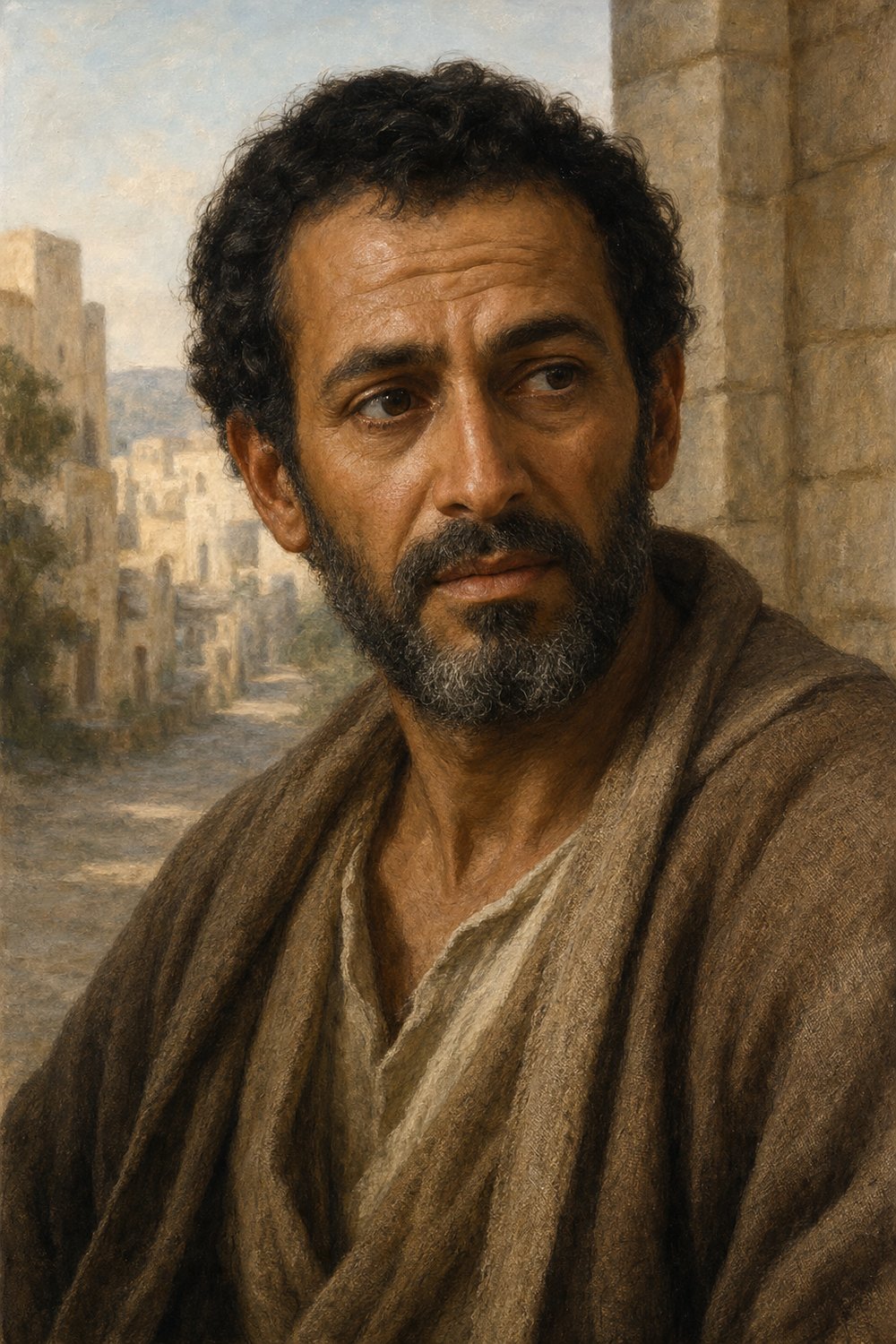
A native of Bethsaida who brought Nathanael to Jesus. He appears in several scenes unique to John's Gospel, including the feeding of the five thousand and the request 'show us the Father.' Tradition places his later ministry in Phrygia, in Asia Minor.
What we know — and how we know it
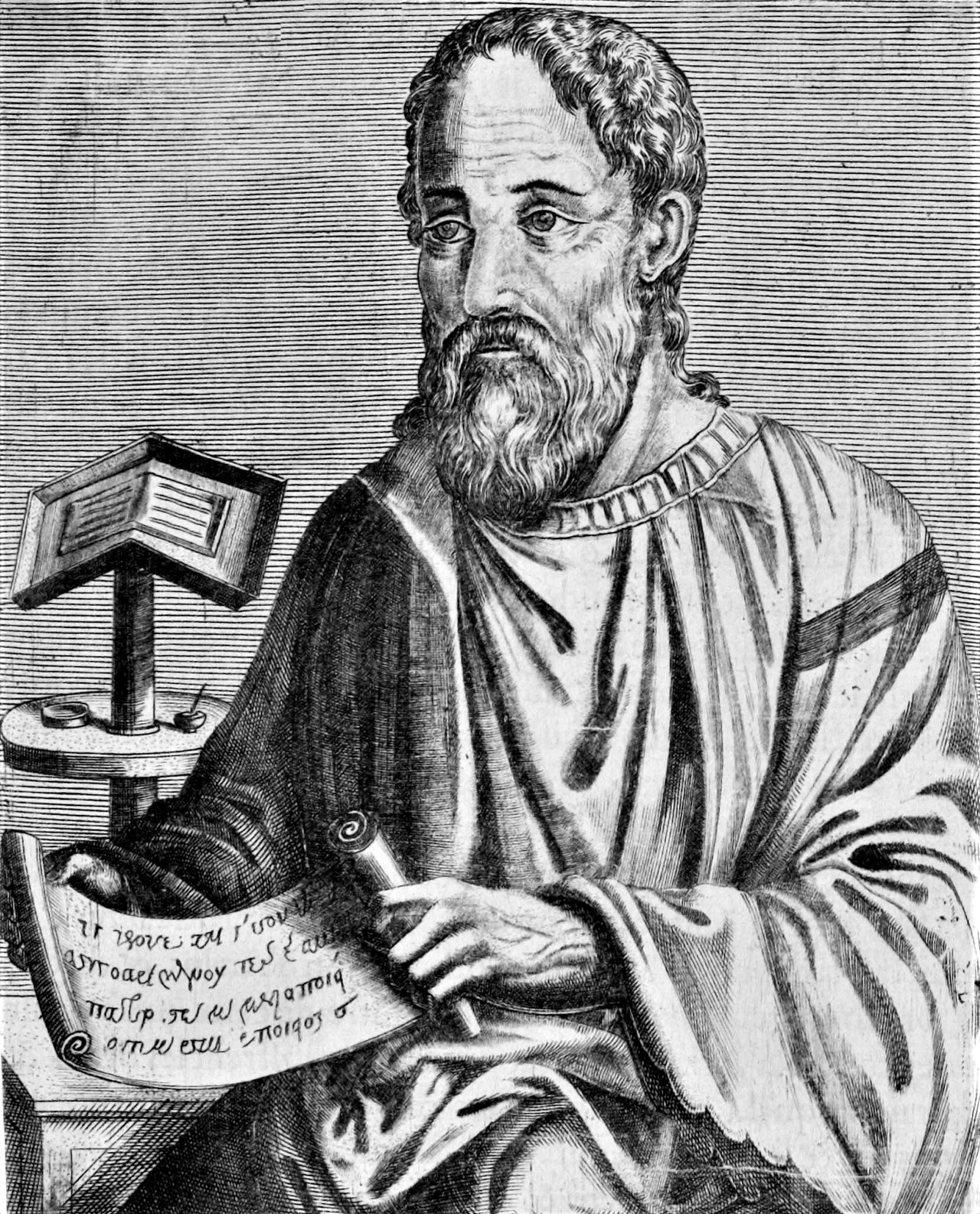 Desconocido — Public domain (via Wikimedia Commons)
Ancient writersPolycrates, bishop of Ephesus about AD 190, names 'Philip, one of the twelve apostles' among the great lights of Asia, and says he was buried at Hierapolis with two of his daughters.
Desconocido — Public domain (via Wikimedia Commons)
Ancient writersPolycrates, bishop of Ephesus about AD 190, names 'Philip, one of the twelve apostles' among the great lights of Asia, and says he was buried at Hierapolis with two of his daughters.
 Dosseman — CC BY-SA 4.0 (via Wikimedia Commons)
ArchaeologyIn 2011 an Italian expedition at Hierapolis (Pamukkale, Turkey) excavated a 1st-century tomb at the centre of a large octagonal martyrium long dedicated to Philip — matching the ancient tradition of his burial there.
Dosseman — CC BY-SA 4.0 (via Wikimedia Commons)
ArchaeologyIn 2011 an Italian expedition at Hierapolis (Pamukkale, Turkey) excavated a 1st-century tomb at the centre of a large octagonal martyrium long dedicated to Philip — matching the ancient tradition of his burial there.
Where in scripture
JohnOn the next day, he was determined to go out into Galilee, and he found Philip. Jesus said to him, “Follow me.”
John 1:43 — Called; brings Nathanael
Jesus therefore lifting up his eyes, and seeing that a great multitude was coming to him, said to Philip, “Where are we to buy bread, that these may eat?”
John 6:5 — Tested at the feeding of the five thousand
Philip said to him, “Lord, show us the Father, and that will be enough for us.”
John 14:8 — 'Show us the Father'
Scripture quotations are from the World English Bible, a public-domain translation.
In their own words — 5 recorded sayings
“But he said to them in answer, Give them food yourselves. And they said to him, Are we to go and get bread for two hundred pence, and give it to them?” — Mark 6:37
“Philip came across Nathanael and said to him, We have made a discovery! It is he of whom Moses, in the law, and the prophets were writing, Jesus of Nazareth, the son of Joseph.” — John 1:45
“Nazareth! said Nathanael, Is it possible for any good to come out of Nazareth? Philip said to him, Come and see.” — John 1:46
“Philip made answer, Bread to the value of two hundred pence would not be enough even to give everyone a little.” — John 6:7
“Philip said to him, Lord, let us see the Father, and we have need of nothing more.” — John 14:8
Speaker attribution: Clear Bible MACULA (CC BY 4.0). Wording: Bible in Basic English (public domain).
Connections
- Disciple of Jesus of Nazareth
Journeys
The mission of Philip to Hierapolis
The apostle Philip preached in Asia Minor and, by early testimony, was buried at Hierapolis.
- Jerusalem · c. AD 33 — Sent out with the Twelve
- Hierapolis — Ministers and dies in Phrygia (Polycrates)
Events
Places in their life

Photo: יעל י — CC BY-SA 3.0 (via Wikimedia Commons)

Photo: Godot13 — CC BY-SA 4.0 (via Wikimedia Commons)
In art


