


Haman
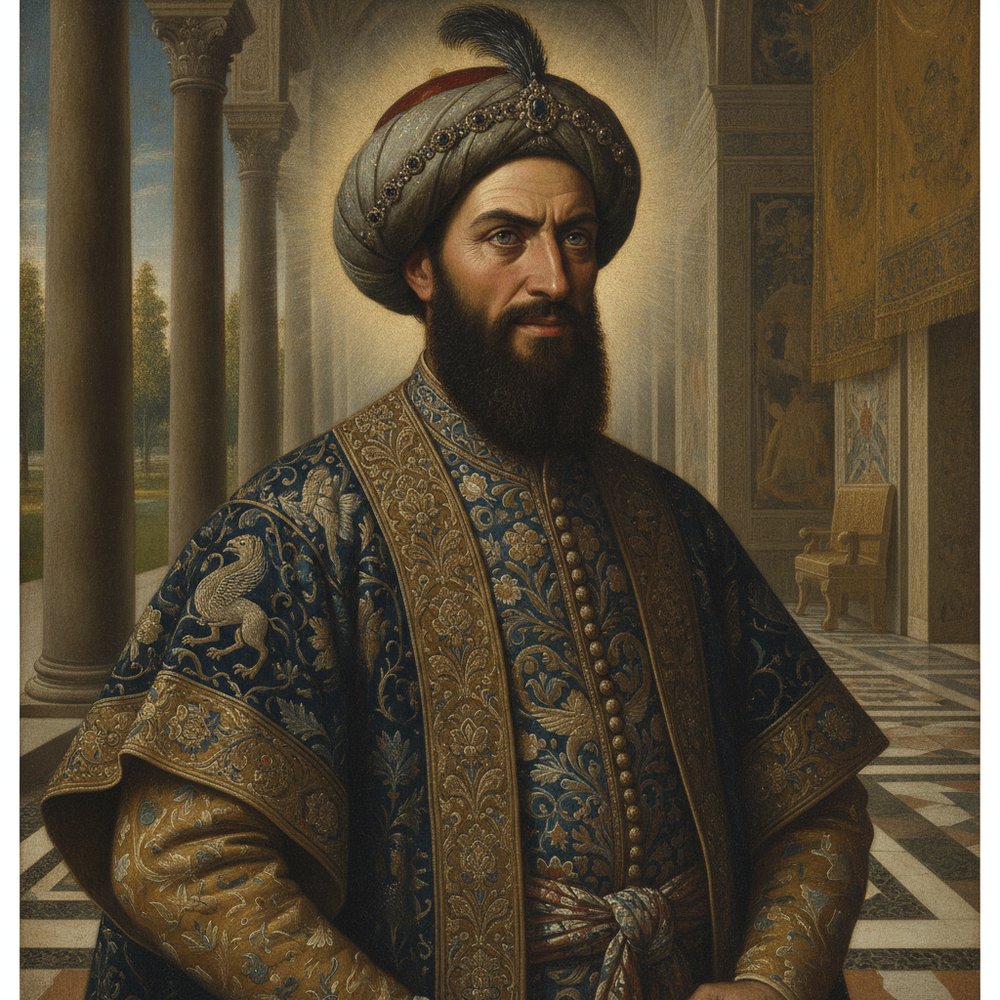
The Persian official who plotted to destroy the Jews and was hanged on the gallows he built for Mordecai.
What we know — and how we know it
Where in scripture
EstherAfter these things King Ahasuerus promoted Haman the son of Hammedatha the Agagite, and advanced him, and set his seat above all the princes who were with him.
Esther 3:1
But he scorned the thought of laying hands on Mordecai alone, for they had made known to him Mordecai’s people. Therefore Haman sought to destroy all the Jews who were throughout the whole kingdom of Ahasuerus, even Mordecai’s people.
Esther 3:6 — Plots genocide
Mordecai told him of all that had happened to him, and the exact sum of the money that Haman had promised to pay to the king’s treasuries for the destruction of the Jews.
Esther 4:7
So the king and Haman came to banquet with Esther the queen.
Esther 7:1
Esther said, “An adversary and an enemy, even this wicked Haman!” Then Haman was afraid before the king and the queen.
Esther 7:6
The king arose in his wrath from the banquet of wine and went into the palace garden. Haman stood up to make request for his life to Esther the queen; for he saw that there was evil determined against him by the king.
Esther 7:7
Then the king returned out of the palace garden into the place of the banquet of wine; and Haman had fallen on the couch where Esther was. Then the king said, “Will he even assault the queen in front of me in the house?” As the word went out of the king’s mouth, they covered Haman’s face.
Esther 7:8
Then Harbonah, one of the eunuchs who were with the king said, “Behold, the gallows fifty cubits high, which Haman has made for Mordecai, who spoke good for the king, is standing at Haman’s house.” The king said, “Hang him on it!”
Esther 7:9
Scripture quotations are from the World English Bible, a public-domain translation.
Family
In their own words — 5 recorded sayings
“And Haman said to King Ahasuerus, There is a certain nation living here and there in small groups among the people in all the divisions of your kingdom; their laws are different from those of any other nation, and they do not keep the king's laws: for this reason it is not right for the king to let them be. If it is the king's pleasure, let a statement ordering their destruction be put in writing: and I will give to those responsible for the king's business, ten thousand talents of silver for the king's store-house.” — Esther 3:8-9
“And Haman said further, Truly, Esther the queen let no man but myself come in to the feast which she had made ready for the king; and tomorrow again I am to be her guest with the king. But all this is nothing to me while I see Mordecai the Jew seated by the king's doorway.” — Esther 5:12-13
“So Haman came in. And the king said to him, What is to be done to the man whom the king has delight in honouring? Then the thought came into Haman's mind, Whom, more than myself, would the king have pleasure in honouring?” — Esther 6:6
“And Haman, answering the king, said, For the man whom the king has delight in honouring, Let them take the robes which the king generally puts on, and the horse on which the king goes, and the crown which is on his head: And let the robes and the horse be given to one of the king's most noble captains, so that they may put them on the man whom the king has delight in honouring, and let him go on horseback through the streets of the town, with men crying out before him, So let it be done to the man whom the king has delight in honouring.” — Esther 6:7-9
“Then Haman took the robes and the horse, and dressing Mordecai in the robes, he made him go on horseback through the streets of the town, crying out before him, So let it be done to the man whom the king has delight in honouring.” — Esther 6:11
Speaker attribution: Clear Bible MACULA (CC BY 4.0). Wording: Bible in Basic English (public domain).
Events
Places in their life

Photo: Marie-Lan Nguyen — Public domain (via Wikimedia Commons)
In art


