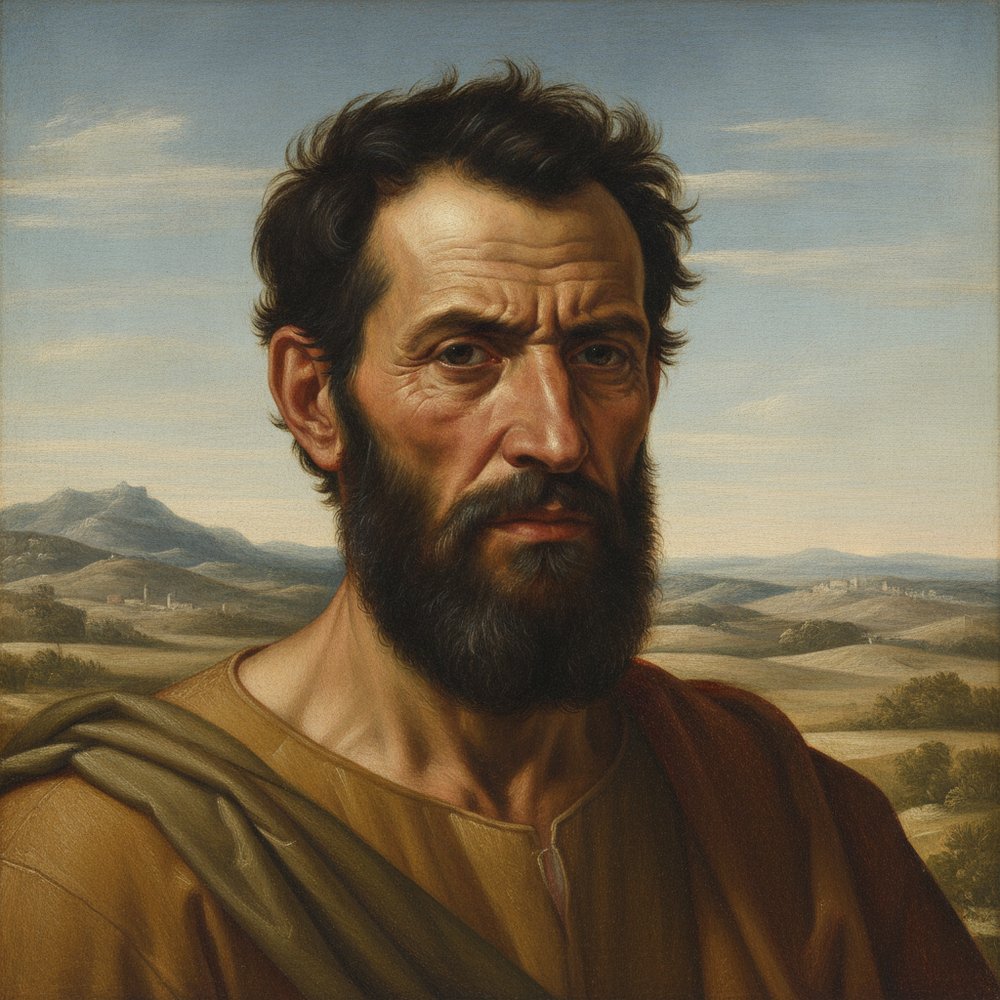
A prophet from Jerusalem. He came down to Antioch and foretold by the Spirit a great famine over all the world, which prompted the disciples there to send relief to Judea. Years later he met Paul at Caesarea, took his belt, bound his own feet and hands with it, and said that the Jews at Jerusalem would bind the owner of the belt this way and hand him over to the Gentiles — after which the company begged Paul not to go.
ScholarlyThe severe famine Agabus foretold 'in the days of Claudius' is corroborated by external sources: Josephus records a major famine in Judea under Claudius during which Queen Helena of Adiabene imported grain and figs for relief, and Roman writers note grain shortages in the same reign. These attest the predicted event, not Agabus himself.
Flavius Josephus, Antiquities of the Jews, Book 20 (Helena of Adiabene's famine relief); grain shortages under Claudius also noted by Roman historians
Name & titles
ScholarlyAgabus (Greek Agabos) is generally taken as a Grecized form of a Semitic name, most plausibly connected to Hagab / Hagabah, from the Hebrew chagab meaning 'locust,' a name-family known from the returnee lists. The Greek spelling reflects the bilingual milieu of the early Jerusalem church.
Onomastic analysis; cf. Hagab/Hagabah in Ezra 2:45-46
One of them named Agabus stood up, and indicated by the Spirit that there should be a great famine all over the world, which also happened in the days of Claudius.
Coming to us, and taking Paul’s belt, he bound his own feet and hands, and said, “Thus says the Holy Spirit: ‘So will the Jews at Jerusalem bind the man who owns this belt, and will deliver him into the hands of the Gentiles.’”